
In today’s fast-paced Digital Marketing world, businesses are no longer limited to traditional advertising methods like newspapers, TV, or billboards. Instead, they are shifting toward digital platforms to reach their audience more effectively. This is where digital marketing comes in.
If you’ve ever searched on Google, seen ads on Instagram, or received promotional emails, you’ve already experienced digital marketing. But what exactly is it, and how does it work?
In this comprehensive guide, we’ll explain step by step, how it works, and how you can get started—even as a complete beginner.

What Is Digital Marketing?
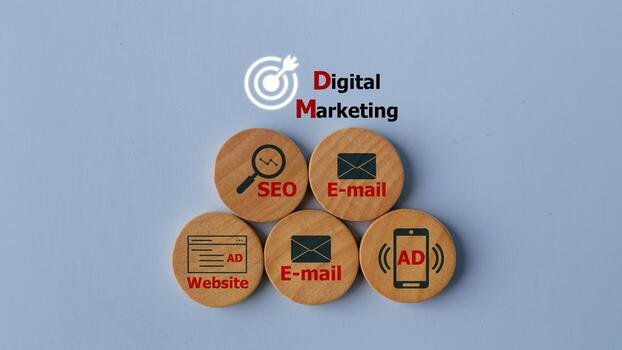
It refers to the use of digital channels, platforms, and technologies to promote products or services to consumers. These channels include:
- Search engines (Google, Bing)
- Social media (Instagram, Facebook, LinkedIn)
- Websites
- Mobile apps
Unlike traditional marketing, digital marketing allows businesses to target specific audiences, measure performance in real-time, and adjust strategies instantly.
Why Is Digital Marketing Important?
It’s become essential for businesses of all sizes. Here’s why:
1. Global Reach
With digital marketing, you can reach people across the world without needing a physical presence.
2. Cost-Effective
Compared to traditional advertising, digital marketing is more affordable and offers better ROI.
3. Targeted Audience
You can target users based on demographics, interests, behavior, and location.
4. Measurable Results
Tools and analytics help you track clicks, conversions, and engagement in real-time.
Types of Digital Marketing
Before diving into the step-by-step process, it’s important to understand the main types of digital marketing:
1. Search Engine Optimization (SEO)
Improving your website to rank higher in search engine results.
2. Social Media Marketing (SMM)
Promoting your brand on platforms like Instagram, Facebook, and LinkedIn.
3. Content Marketing
Creating valuable content such as blogs, videos, and infographics.
4. Email Marketing
Sending emails to nurture leads and retain customers.
5. Pay-Per-Click Advertising (PPC)
Running paid ads on search engines and social platforms.
6. Affiliate Marketing
Partnering with others to promote your products for a commission.
Step-by-Step Process of Digital Marketing
Now let’s break down digital marketing into simple steps you can follow.
Step 1: Define Your Goals
Start by identifying what you want to achieve. Your goals could include:
- Increasing website traffic
- Generating leads
- Boosting sales
- Building brand awareness
Make sure your goals are SMART:
- Specific
- Measurable
- Achievable
- Relevant
- Time-bound
Step 2: Identify Your Target Audience
Understanding your audience is key to success.
Ask questions like:
- Who are they? (age, gender, location)
- What are their interests?
- What problems are they facing?
- Where do they spend time online?
Creating a buyer persona helps you target the right people with the right message.
Step 3: Conduct Keyword Research
Keywords are the foundation of digital marketing, especially SEO.
For example, if your topic is:
👉 “what is digital marketing explained step by step”
You can also target related keywords like:
- digital marketing for beginners
- how digital marketing works
- step by step digital marketing guide
Focus on:
- Long-tail keywords (low competition)
- High search intent keywords
Step 4: Build a Website or Landing Page
Your website is your digital home.
Make sure it is:
- Mobile-friendly
- Fast-loading
- Easy to navigate
- SEO-optimized
Include important pages like:
- Home
- About
- Services
- Blog
- Contact
Step 5: Create High-Quality Content
Content is the backbone of digital marketing.
Types of content you can create:
- Blog posts
- Videos
- Social media posts
- Infographics
- E-books
Tips for content creation:
- Solve user problems
- Use simple language
- Include keywords naturally
- Add visuals
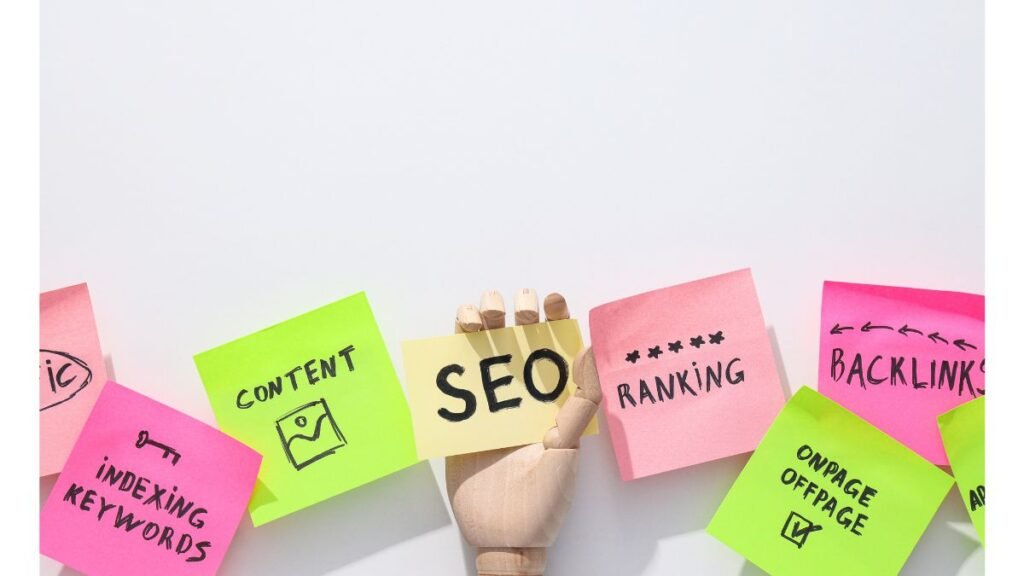
Step 6: Optimize for SEO
Search Engine Optimization helps your content rank higher on Google.
On-Page SEO:
- Use keywords in title, headings, and content
- Write meta descriptions
- Optimize images
- Use internal linking
Off-Page SEO:
- Build backlinks
- Guest posting
- Social sharing
Technical SEO:
- Improve site speed
- Fix broken links
- Use HTTPS
Step 7: Promote on Social Media
Social media helps you reach a wider audience.
Popular platforms:
Tips:
- Post consistently
- Use hashtags
- Engage with followers
- Share valuable content
Step 8: Use Paid Advertising
Paid ads help you get faster results.
Types of ads:
- Search ads (Google Ads)
- Display ads
- Social media ads
Benefits:
- Instant traffic
- Highly targeted audience
- Scalable campaigns
Step 9: Email Marketing
Email marketing helps you build relationships with your audience.
Steps:
- Build an email list
- Send newsletters
- Offer value (tips, discounts)
- Automate campaigns
Step 10: Analyze and Optimize
Tracking performance is crucial.
Use analytics tools to measure:
- Website traffic
- Bounce rate
- Conversion rate
- Click-through rate (CTR)
Based on data:
- Improve strategies
- Test new ideas
- Optimize campaigns

Advantages
- Better audience targeting
- Higher engagement
- Real-time performance tracking
- Increased brand visibility
- Higher conversion rates
Challenges
- High competition
- Constant algorithm changes
- Requires consistent effort
- Learning curve for beginners
Tips for Beginners
If you’re just starting out, follow these tips:
- Start with one platform (SEO or social media)
- Learn basic tools and analytics
- Focus on content quality
- Be consistent
- Keep learning and adapting
Future of Digital Marketing
It is constantly evolving. Some key trends include:
- AI-powered marketing
- Voice search optimization
- Video content dominance
- Personalization
- Automation tools
Staying updated with trends will help you stay ahead of the competition.

Conclusion
Digital marketing is one of the most powerful ways to grow a business in today’s digital age. Whether you’re a student, entrepreneur, or professional, learning digital marketing can open countless opportunities.
By following this step-by-step guide on what digital marketing is, you can build a strong foundation and start your journey with confidence.
Remember:
- Start small
- Stay consistent
- Focus on value
With time and effort, you can master digital marketing and achieve your goals.
Ready to Build Your Career in Digital Marketing?
Stop just reading—start doing.
🎓 Join our step-by-step Digital Marketing Course designed for beginners
💼 Learn real-world skills that help you get jobs or freelance clients
📈 Get practical training, live projects, and expert guidance
⚡ Limited Seats Available – Don’t Miss Your Chance!
👉 Enroll Now & Start Your Journey Today
FAQs
1. What is digital marketing in simple words?
Digital marketing is promoting products or services using the internet and digital platforms.
2. Is digital marketing easy for beginners?
Yes, with the right guidance and practice, beginners can learn digital marketing step by step.
3. How long does it take to learn digital marketing?
It can take 3–6 months to learn the basics and longer to master advanced skills.
4. Can I start digital marketing without investment?
Yes, you can start with free tools and organic methods like SEO and social media.